

4 Eco-Friendly Bamboo Home Designs That Promote Biodiversity
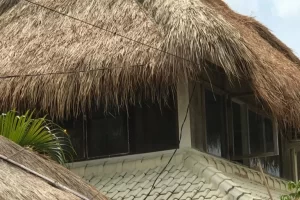
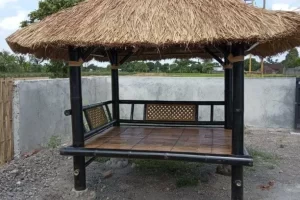
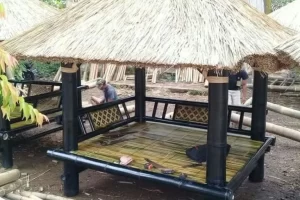
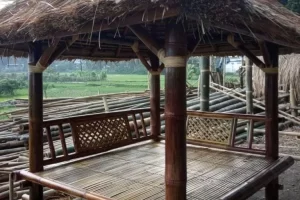
Bamboo home designs are emerging as a sustainable solution, combining innovative design with environmental stewardship and imagine waking up in a home that not only offers comfort and beauty but also plays a crucial role in promoting biodiversity. Let’s dive into four eco-friendly bamboo home designs that are making a significant impact on biodiversity.
Let’s Dive Into Four Eco-Friendly Bamboo Home Designs
1. The Forest Retreat: A Haven for Wildlife
Natural Integration: The Forest Retreat is designed to blend seamlessly with its natural surroundings. The use of bamboo, a rapidly renewable resource, ensures minimal disturbance to local ecosystems. Large windows and open spaces create a sense of living within the forest, providing residents with an immersive nature experience.
Wildlife-Friendly Features: Incorporating elements such as birdhouses, bat boxes, and insect hotels, the Forest Retreat fosters a thriving habitat for various species. Native plants are used in landscaping to attract local wildlife, enhancing the biodiversity of the area.
2. The Eco-Village: Community and Conservation
Communal Spaces: The Eco-Village design emphasizes communal living with shared green spaces and gardens. These areas are planted with a diverse range of flora, creating microhabitats that support local wildlife. Community gardens not only provide fresh produce but also serve as a habitat for pollinators like bees and butterflies.
Biodiversity Corridors: Biodiversity corridors within the Eco-Village connect different green spaces, allowing wildlife to move freely and safely. These corridors are crucial for the survival of many species, ensuring genetic diversity and healthy populations.
3. The Riverfront Refuge: Supporting Aquatic Life
Sustainable Water Management: Located along riverbanks, the Riverfront Refuge employs sustainable water management practices. Rainwater harvesting systems reduce runoff, while permeable pavements and swales filter water before it returns to the river, maintaining water quality and supporting aquatic life.
Riparian Buffer Zones: Creating riparian buffer zones with bamboo and other native plants helps stabilize the riverbanks and prevent erosion. These buffers also provide a habitat for amphibians, birds, and insects, promoting a diverse ecosystem.
4. The Urban Sanctuary: Green Spaces in the City
Vertical Gardens: In urban environments, space is limited. The Urban Sanctuary incorporates vertical gardens to maximize green space. These gardens not only improve air quality but also provide habitats for birds and insects, contributing to urban biodiversity.
Rooftop Habitats: Rooftop gardens and green roofs offer additional green spaces in cities. These habitats are designed to support a variety of plant and animal species, from wildflowers to nesting birds, transforming urban rooftops into thriving ecosystems.
Frequently Asked Questions
1. Why choose bamboo for home construction?
Bamboo is a rapidly renewable resource that grows quickly and has a low environmental impact compared to traditional building materials.
2. How do bamboo homes promote biodiversity?
Bamboo homes can be designed with features that support local wildlife, such as native plant landscaping, wildlife corridors, and sustainable water management systems.
3. Are bamboo homes durable?
Yes, when properly treated and maintained, bamboo homes can be highly durable and long-lasting.
4. Can bamboo homes be built in urban areas?
Absolutely, bamboo homes can be adapted for urban environments with features like vertical gardens and green roofs to promote biodiversity.
5. What is a biodiversity corridor?
A biodiversity corridor is a natural pathway that connects different habitats, allowing wildlife to move safely and freely, promoting genetic diversity and healthy populations.
6. Do bamboo homes require special maintenance?
Regular maintenance, such as treating bamboo against pests and moisture, is necessary to ensure the longevity and durability of bamboo homes.
7. Are bamboo homes energy-efficient?
Yes, bamboo homes can be highly energy-efficient with proper insulation, natural ventilation, and the use of renewable energy sources.
8. How do riparian buffer zones benefit the environment?
Riparian buffer zones help stabilize riverbanks, prevent erosion, improve water quality, and provide habitats for various species.
9. Can bamboo home support community living?
Yes, designs like the Eco-Village emphasize communal spaces and shared gardens, fostering a sense of community and supporting biodiversity.
10. What are the benefits of vertical gardens in urban areas?
Vertical gardens maximize green space, improve air quality, and provide habitats for birds and insects, contributing to urban biodiversity.
Conclusion
Bamboo home designs represent a harmonious blend of modern living and environmental conservation. By integrating sustainable practices and promoting biodiversity, these homes offer a pathway to a greener future. Whether nestled in a forest, by a river, or in the heart of a city, bamboo homes are not just a place to live—they are a commitment to preserving our planet for generations to come.
Tired of the heat and noise at home? Replace your roof with Bamboo Home Designs! Cool, natural and stylish, suitable for those of you who want a relaxed atmosphere. Click now or Call WhatsApp number 0853.3749.6686 for special prices and free consultation. Come on, make your home as comfortable as a resort!