

7 Reasons Bamboo Homes Are 80% More Sustainable Than Traditional Houses
Reasons Bamboo Homes Are 80% More Sustainable Than Traditional Houses encompass the remarkable environmental benefits of bamboo, such as its rapid growth rate, minimal carbon footprint, and ability to regenerate without replanting, combined with its natural durability and efficiency in construction, making bamboo homes an eco-friendly and economically smart alternative for modern, sustainability-minded homeowners. Explore the unique sustainability advantages that bamboo homes offer compared to traditional housing.
Reasons Bamboo Homes Are 80% More Sustainable Than Traditional Houses
1. Rapid Renewable Resource
Growth Rate: Bamboo grows significantly faster than traditional wood sources, with some species growing up to 3 feet per day.
Carbon Sequestration: Bamboo absorbs carbon dioxide and releases 35% more oxygen into the atmosphere compared to other trees.
2. Low Environmental Impact
Cultivation Practices: Bamboo requires minimal water and no pesticides, reducing its environmental footprint.
Minimal Water Usage: Compared to traditional crops, bamboo cultivation consumes far less water, making it highly sustainable.
3. Energy Efficiency
Natural Insulation: Bamboo’s natural thermal properties provide excellent insulation, reducing heating and cooling costs.
Passive Solar Design: Integrating passive solar techniques maximizes natural light and reduces reliance on artificial lighting and heating.
4. Biodegradability
Sustainable Building Materials: Bamboo products decompose naturally, reducing landfill waste and environmental impact.
Eco-Friendly Finishes: Using non-toxic and biodegradable finishes further enhances bamboo’s sustainability profile.
5. Reduced Carbon Footprint
Carbon Emissions Reduction: Choosing bamboo over traditional building materials significantly lowers carbon emissions during production and construction.
Environmental Benefits: Bamboo forests contribute to biodiversity conservation and ecosystem services, enhancing overall environmental health.
6. Durability and Longevity
Structural Strength: Bamboo’s tensile strength rivals steel, making it durable and resilient in various climatic conditions.
Resistance to Pests and Mold: Natural properties of bamboo fibers make them naturally resistant to pests and mold, reducing the need for chemical treatments.
7. Versatility in Design and Construction
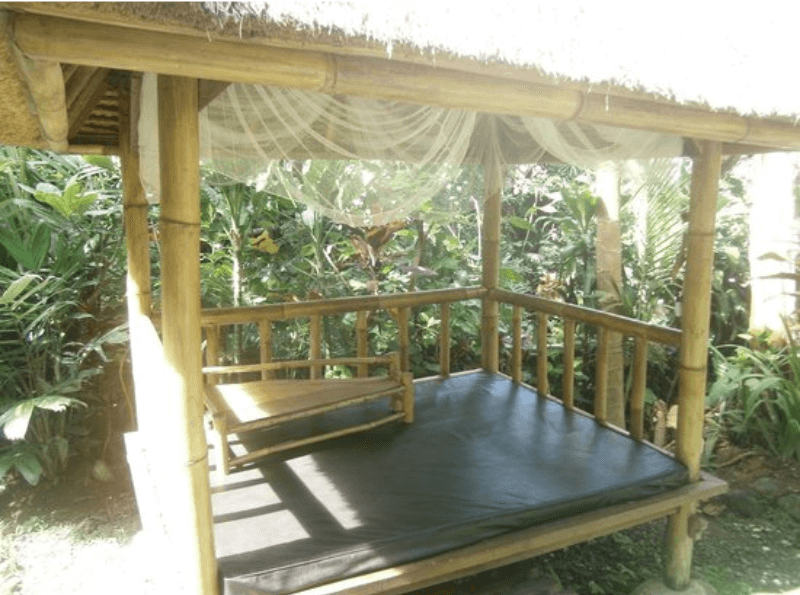
Architectural Flexibility: Bamboo’s flexibility allows for innovative architectural designs, blending modern aesthetics with sustainability.
Aesthetic Appeal: Natural bamboo textures and colors enhance the visual appeal of homes, creating unique and beautiful living spaces.

Frequently Asked Questions
1. Are bamboo homes expensive to build?
Initial costs may vary, but long-term savings on energy and maintenance often offset higher upfront expenses.
2. How do bamboo homes perform in different climates?
Bamboo’s natural insulation and durability make it suitable for diverse environmental conditions.
3. Can bamboo homes withstand natural disasters?
Properly constructed bamboo homes can withstand earthquakes and storms due to their flexible and strong structure.
4. Are bamboo homes fire-resistant?
Bamboo has natural fire-resistant properties, although treatments can further enhance fire resistance.
5. Do bamboo homes require special maintenance?
Regular upkeep is minimal, focusing on preserving finishes and ensuring structural integrity.
6. Can bamboo be used for large-scale construction projects?
Yes, bamboo’s scalability and strength make it suitable for various construction applications.
7. How does bamboo compare to traditional wood in terms of strength?
Bamboo’s tensile strength surpasses that of traditional wood, making it a viable alternative in construction.
8. Are bamboo homes noisy in windy conditions?
Proper design considerations can minimize noise, similar to other building materials.
9. Can bamboo homes be customized in terms of size and layout?
Yes, bamboo’s flexibility allows for customized designs to suit individual preferences and site conditions.
10. What are the environmental benefits of using bamboo?
Bamboo cultivation promotes soil health, biodiversity, and reduces greenhouse gas emissions.
Conclusion
Choosing bamboo homes not only supports sustainable living but also contributes significantly to reducing environmental impact. With their unique blend of eco-friendliness, durability, and aesthetic appeal, bamboo homes represent a forward-thinking approach to sustainable architecture. Embracing bamboo as a building material is a positive step towards a greener and more sustainable future.
Tired of the heat and noise at home? Replace your roof with bamboo homes! Cool, natural and stylish, suitable for those of you who want a relaxed atmosphere. Click now or Call WhatsApp number 0853.3749.6686 for special prices and free consultation. Come on, make your home as comfortable as a resort!