

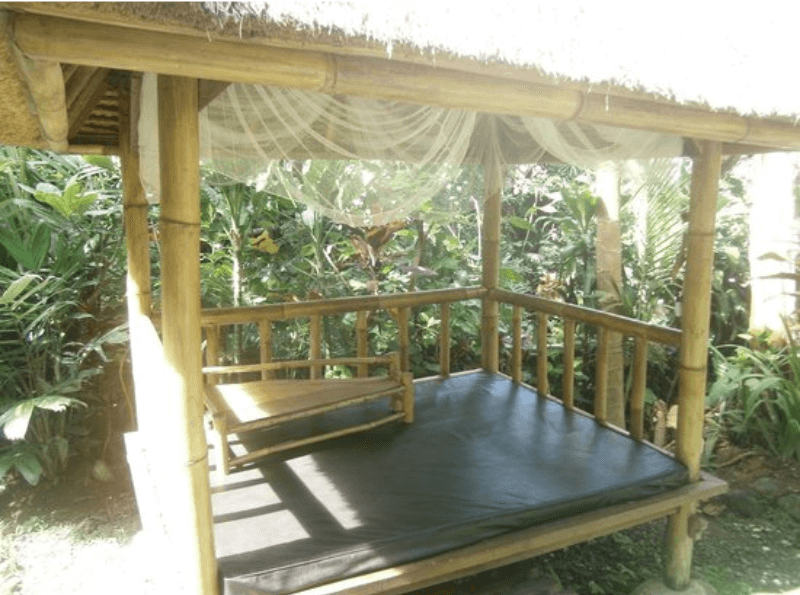
6 Reasons Bamboo Houses Have a 70% Lower Carbon Footprint
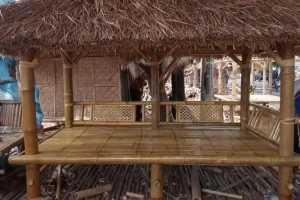
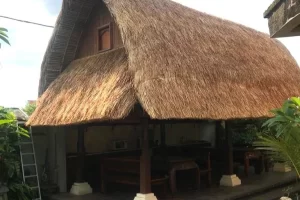
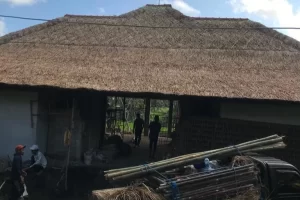
Bamboo houses are not only a beautiful and unique architectural choice, but they also offer an incredible environmental advantage by having a 70% lower carbon footprint compared to traditional building materials, thanks to bamboo’s rapid growth rate, its ability to absorb large amounts of carbon dioxide, and its minimal processing requirements, making it a sustainable and eco-friendly option for environmentally conscious homeowners.
Bamboo houses are gaining popularity not only for their unique aesthetics but also for their significant environmental advantages. This article explores six compelling reasons why bamboo houses contribute to a lower carbon footprint compared to traditional construction methods.
Bamboo Houses Contribute to A Lower Carbon Footprint
1. Sustainable Building Materials
Bamboo: A Renewable and Fast-Growing Resource
Bamboo grows rapidly, making it a highly renewable resource for construction. Unlike hardwoods, bamboo can be harvested without killing the plant, ensuring sustainable supply chains.
Reduced Environmental Impact
– Resource Efficiency: Bamboo requires less land and water compared to other building materials.
– Low Embodied Energy: Minimal energy is required for processing and transportation.
2. Energy Efficiency
Natural Insulation and Thermal Regulation
Bamboo’s natural properties provide excellent insulation, reducing the need for artificial heating and cooling systems.
Lower Energy Consumption
– Energy Savings: Reduced reliance on HVAC systems lowers overall energy consumption.
– Year-Round Comfort: Bamboo structures maintain comfortable temperatures throughout the year.
3. Carbon Sequestration
Bamboo’s Role in Absorbing Carbon Dioxide
Bamboo forests actively absorb carbon dioxide, making them vital in mitigating greenhouse gas emissions.
Contribution to Climate Change Mitigation
– Carbon Storage: Bamboo stores carbon in its biomass and soil, contributing to carbon sequestration.
– Climate Resilience: Supporting bamboo cultivation helps combat deforestation and climate change impacts.
4. Minimal Environmental Disruption
Sustainable Harvesting Practices
Bamboo can be harvested sustainably without causing deforestation or habitat destruction.
Preservation of Natural Habitats
– Ecosystem Benefits: Bamboo cultivation preserves biodiversity and natural habitats.
– Soil Health: Improves soil fertility and prevents erosion.
5. Longevity and Durability
Resilience Against Weather and Pests
Bamboo’s natural resilience makes it suitable for various climates and resistant to pests and fungi.
Long-Term Maintenance Benefits
– Durability: Bamboo structures require less maintenance over their lifespan.
– Lifecycle Analysis: Lower lifecycle costs compared to traditional materials.
6. Economic Viability
Affordability and Accessibility
Bamboo is affordable, making it accessible to communities seeking cost-effective housing solutions.
Supporting Local Economies
– Job Creation: Bamboo cultivation and processing support local economies.
– Community Development: Builds sustainable livelihoods in rural areas.
Frequently Asked Questions
1. Are bamboo home prone to fire?
Treated bamboo can have fire-resistant properties, but precautions should be taken.
2. Do bamboo houses withstand earthquakes?
Bamboo’s flexibility can absorb seismic forces with proper engineering.
3. How long does bamboo construction last?
Properly maintained bamboo structures can last for decades.
4. Are bamboo houses expensive to build?
Costs vary, but bamboo’s affordability makes it a practical choice.
5. Are bamboo houses suitable for cold climates?
With proper insulation, bamboo houses can be adapted for colder regions.
6. Can bamboo houses be customized?
Yes, bamboo’s versatility allows for a variety of architectural designs.
7. Are bamboo houses eco-friendly?
Absolutely, bamboo is renewable, fast-growing, and helps mitigate climate change.
8. What are the benefits of living in a bamboo house?
Improved indoor air quality, natural aesthetics, and sustainable living are key benefits.
9. Are bamboo houses legal in all areas?
Building regulations vary, so it’s essential to check local laws before construction.
10. Do bamboo houses require special maintenance?
Regular upkeep ensures longevity, such as treating bamboo to prevent decay.
Conclusion
Bamboo houses offer a sustainable solution to reducing carbon footprints in construction. With their environmental benefits, energy efficiency, and economic viability, bamboo houses represent a promising path towards a greener and more sustainable future. Embracing bamboo in construction not only supports environmental conservation but also promotes resilient and eco-friendly communities worldwide.
Tired of the heat and noise at home? Replace your roof with bamboo houses! Cool, natural and stylish, suitable for those of you who want a relaxed atmosphere. Click now or Call WhatsApp number 0853.3749.6686 for special prices and free consultation. Come on, make your home as comfortable as a resort!